

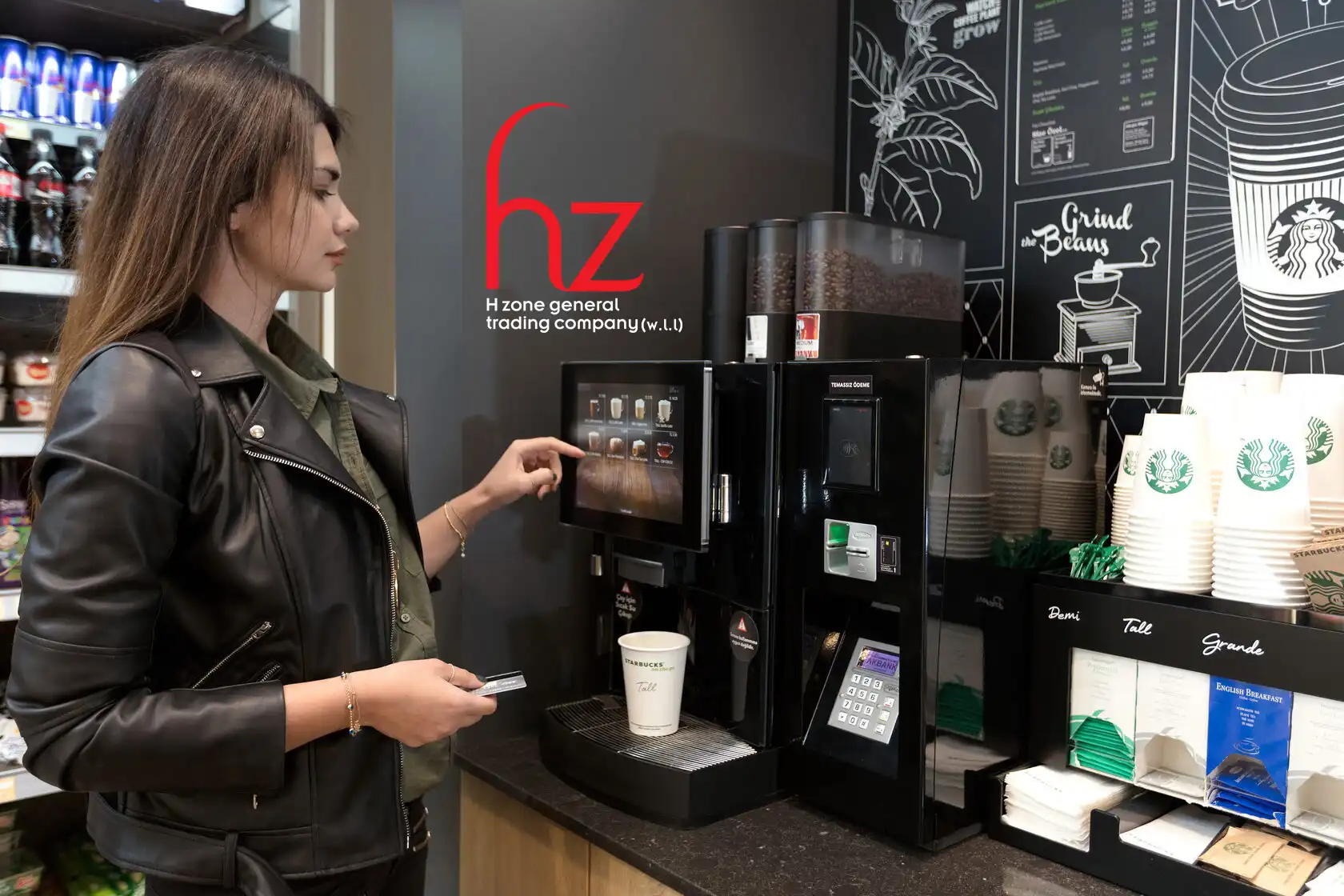
Vending machines have evolved far beyond simple snack dispensers. Today, they represent a dynamic and fast-growing business model that combines convenience, technology, and operational efficiency. From offices and hospitals to airports and smart cities, vending machines offer 24/7 access to products while minimizing labor and overhead costs. However, the success of a vending business depends largely on how well vending machine operations are planned, managed, and optimized.
This article explores vending machines operations in depth, covering key components, operational strategies, challenges, and best practices to ensure profitability and long-term growth.
What Are Vending Machines Operations?
Vending machine operations refer to the complete process of managing, maintaining, stocking, and optimizing vending machines to ensure smooth functionality and consistent revenue generation. These operations include product selection, inventory management, machine maintenance, payment systems, location management, and data analysis.
Effective vending operations focus on maximizing uptime, minimizing costs, and meeting customer demand through strategic planning and automation.
Key Components of Vending Machine Operations
1. Machine Selection and Setup
Choosing the right vending machine is the foundation of successful operations. Machines vary depending on the products offered, such as snacks, beverages, coffee, fresh food, electronics, or personal care items.
Important considerations include:
-
Machine capacity and configuration
-
Energy efficiency
-
Security features
-
Compatibility with cashless payment systems
-
Ease of maintenance
Proper installation, calibration, and testing ensure optimal performance from day one.
2. Location Management
Location is one of the most critical factors in vending machine profitability. High-traffic areas generate higher sales volume and faster inventory turnover.
Ideal vending machine locations include:
-
Office buildings
-
Hospitals and clinics
-
Schools and universities
-
Airports and transportation hubs
-
Shopping malls
-
Industrial facilities
Successful operators evaluate foot traffic, customer demographics, competition, and accessibility before placing machines.
3. Product Selection and Merchandising
Product mix directly impacts sales performance. Operators must understand consumer preferences and adjust offerings accordingly.
Best practices include:
-
Offering a balanced mix of popular and high-margin products
-
Rotating products based on seasonality
-
Including healthy and specialty options
-
Ensuring proper pricing strategy
Effective merchandising—such as product placement and clear visibility—can significantly boost impulse purchases.
Inventory Management and Restocking
Inventory management is a core operational function that determines efficiency and profitability.
Traditional Inventory Management
Manual tracking involves physical checks and scheduled restocking routes. While simple, this approach can lead to overstocking, stockouts, and increased labor costs.
Smart Inventory Management
Modern vending operations use telemetry and IoT-enabled machines to monitor inventory levels in real time. This allows operators to:
-
Optimize restocking schedules
-
Reduce product waste
-
Lower transportation costs
-
Improve product availability
Data-driven inventory management improves operational efficiency and customer satisfaction.
Payment Systems and Technology Integration
Cash and Cashless Payments
Modern vending machines support multiple payment options, including:
-
Cash and coins
-
Credit and debit cards
-
Mobile wallets
-
Contactless and NFC payments
Cashless systems increase convenience, transaction speed, and average purchase value.

Telemetry and Remote Monitoring
Advanced vending operations rely on remote monitoring systems that provide real-time insights into:
-
Sales data
-
Inventory levels
-
Machine performance
-
Error alerts
This technology enables proactive maintenance and smarter decision-making.
Maintenance and Technical Support
Regular maintenance is essential to ensure uninterrupted operation and protect revenue streams.
Key maintenance activities include:
-
Cleaning machines and product compartments
-
Inspecting mechanical and electronic components
-
Updating software and firmware
-
Repairing faults promptly
Preventive maintenance reduces downtime, extends machine lifespan, and enhances customer trust.
Compliance, Safety, and Quality Control
Vending machine operations must comply with local regulations and industry standards, especially when offering food and beverages.
Operational compliance includes:
-
Food safety and hygiene standards
-
Electrical and mechanical safety regulations
-
Product labeling and expiration control
-
Payment system compliance
Maintaining high safety and quality standards protects both customers and operators.
Operational Challenges in Vending Machine Management
Despite its advantages, vending operations face several challenges:
1. Machine Downtime
Technical failures or power issues can disrupt sales and damage brand reputation.
2. Inventory Loss
Expired products, theft, or poor stock management can impact profitability.
3. Changing Consumer Preferences
Operators must adapt quickly to evolving customer tastes and trends.
4. Location Performance Variability
Not all locations perform equally, requiring continuous evaluation and optimization.
Addressing these challenges requires strategic planning, technology adoption, and operational discipline.
Best Practices for Optimizing Vending Machine Operations
To achieve long-term success, operators should adopt the following best practices:
-
Use data analytics to track sales performance and customer behavior
-
Optimize routes and restocking schedules
-
Regularly evaluate location performance
-
Invest in modern, energy-efficient machines
-
Offer cashless and contactless payment options
-
Focus on preventive maintenance
-
Build strong supplier and logistics partnerships
Efficient operations lead to higher margins and scalable growth.
The Future of Vending Machine Operations
The vending industry continues to evolve with emerging technologies such as:
-
Smart vending machines with AI-powered recommendations
-
Touchless and app-based purchasing
-
Sustainable and eco-friendly machine designs
-
Fresh food and specialty product vending
Future vending operations will rely heavily on automation, personalization, and real-time data to meet customer expectations and remain competitive.
Conclusion
Vending machines operations are far more complex than they appear on the surface. Behind every successful vending machine is a well-structured operational system that integrates technology, logistics, customer insights, and quality control. By focusing on efficient inventory management, strategic location placement, modern payment systems, and proactive maintenance, operators can build a profitable and scalable vending business.
As technology continues to reshape the industry, businesses that invest in smart vending operations will gain a significant competitive advantage and unlock new growth opportunities.